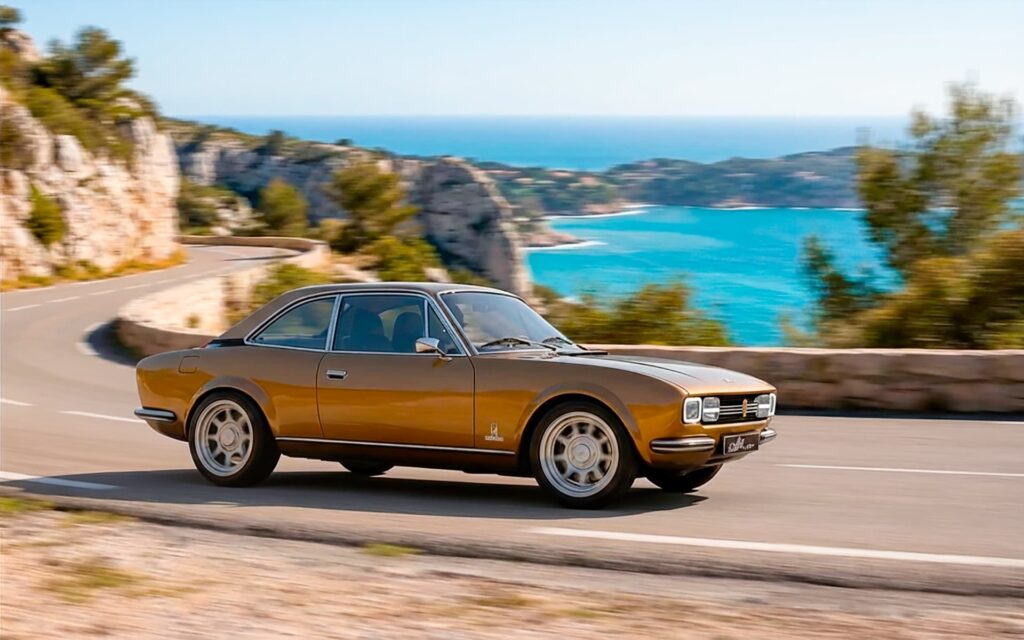
What Rétromobile reveals about the shifting landscape of the classic‑car market

Every time a restomod appears on social media, the reaction is instantaneous.
- Sharp, uncompromising comments.
- Accusations of betrayal.
- Passionate defenses of authenticity.
Yet at the latest edition of Rétromobile, the restomod movement stood out with a confident, fully assumed presence — particularly within the Ultimate Supercar Garage, where concours‑level restorations, iconic supercars and contemporary reinterpretations shared the spotlight.
A clear message: the market is shifting.
So is the restomod a misguided drift… or a modern response to a genuine heritage challenge?
Automotive restoration: a growing economic challenge
In the collective imagination, restoring a classic car means returning it strictly to its original state (manufacturer conformity, period-correct specifications…).
This approach makes perfect sense for rare or historically significant models. But most classic cars do not fall into this category.
Today, fully restoring a 1970s coupé or a youngtimer can involve:
- A costly engine overhaul
- A complete rebuild of the wiring harness
- A long and expensive search for original parts
- Bodywork restoration that can sometimes exceed the vehicle’s actual value
In many cases, the cost of a faithful restoration far exceeds the car’s real market worth.
Result: these vehicles remain unused, deteriorate over time, or simply disappear.
Restomod: modernizing to keep them alive
Restomod — a blend of “restoration” and “modern” — offers a more balanced alternative. It is not about erasing a model’s DNA. It is about making it viable in the present.
A well‑executed restomod approach allows for:
- Long‑term mechanical reliability
- Modernized braking and suspension systems
- An upgraded electrical system
- Improved safety
- Regular use without excessive constraints
In other words: transforming a static classic car into a vehicle that is genuinely usable. This is where the difference lies between an opportunistic transformation and a coherent, well‑designed project.
The strong presence of restomod projects in the Ultimate Supercar Garage area at Rétromobile is no coincidence. It reflects a form of institutional and public recognition, a legitimization of the movement, and a shift in the expectations of collectors and classic‑car enthusiasts.
Automotive heritage is no longer limited to museum‑style preservation, investment logic, or a certain form of elitism. It is opening up to a contemporary interpretation: drive, preserve, adapt.
The purists’ criticism: a legitimate but incomplete debate
On Instagram and YouTube, the debates are intense:
“You’ve destroyed an original car.”
“It will be worthless now.”
“It’s no longer a real classic.”
These reactions reflect a strong attachment to authenticity. But they often overlook a fundamental reality: not every base car is a museum piece. Not every car deserves a concours‑level restoration. Not every car will survive without adaptation.
Restomod is not about touching historically untouchable models.
It often concerns vehicles that are economically doomed in strictly original configuration. Even though a few counter‑examples exist, such as the Lamborghini Diablo restomod (the Eccentrica V12).
The Allure Provence approach: restoring with vision
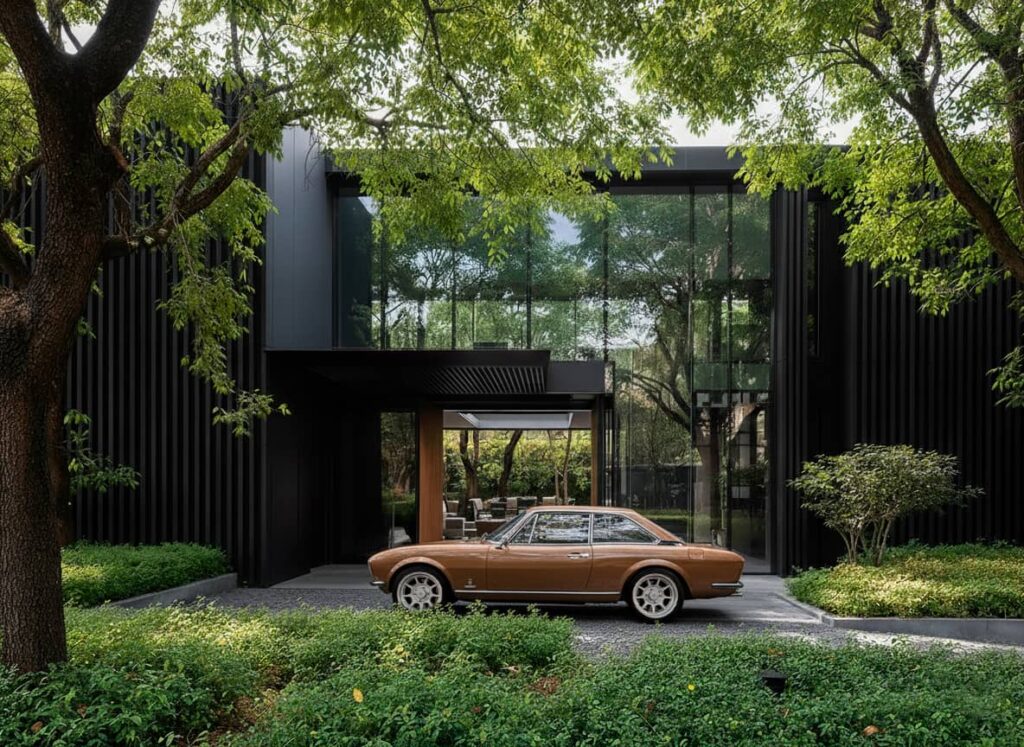
At Allure Provence, the restomod approach is neither superficial aesthetics nor simple technical modernization. It is built on three pillars:
- Respect for the design and identity
The visual architecture and the soul of the model are preserved. The goal is not to radically transform, but to elevate. - Mechanical coherence
Every modification is conceived as part of a whole: engine–chassis balance, braking optimization, electrical reliability, and a well‑balanced driving experience.
A successful restomod is not just a more powerful engine — it must remain harmonious. - Vehicle longevity
The objective is not only to modernize, but to ensure the durability of the base car, ease of maintenance, and the ability to be driven regularly.
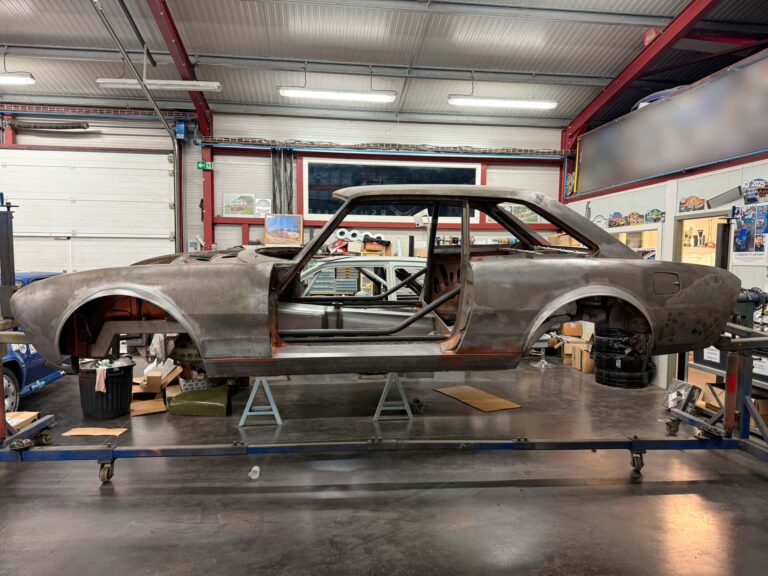
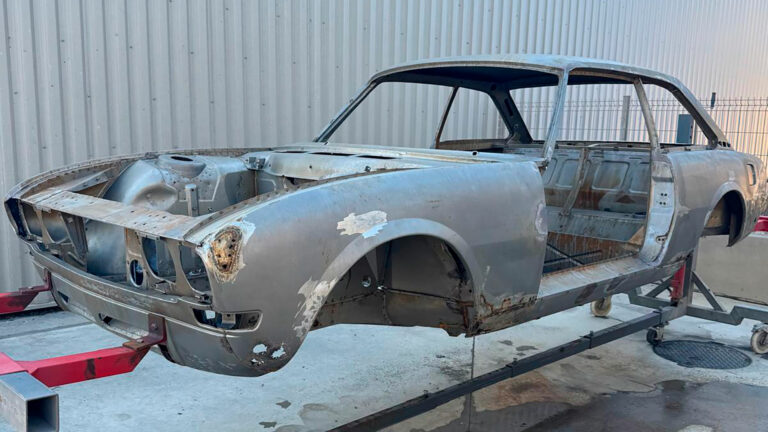
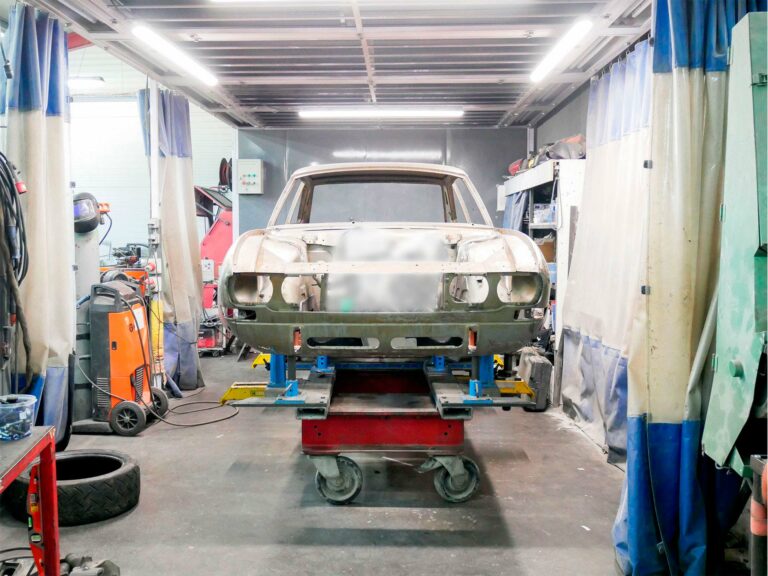
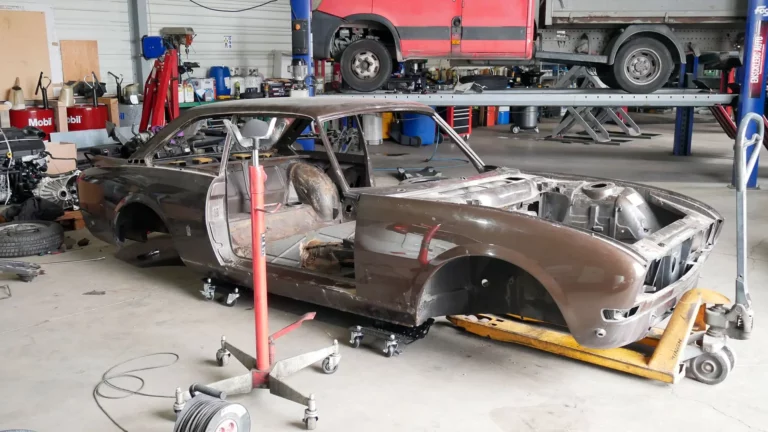
This vision makes it possible to save 504s that would otherwise remain immobilized at best — or destroyed at worst — due to an unsustainable economic equation.
Allure Provence’s expertise: restoring with vision
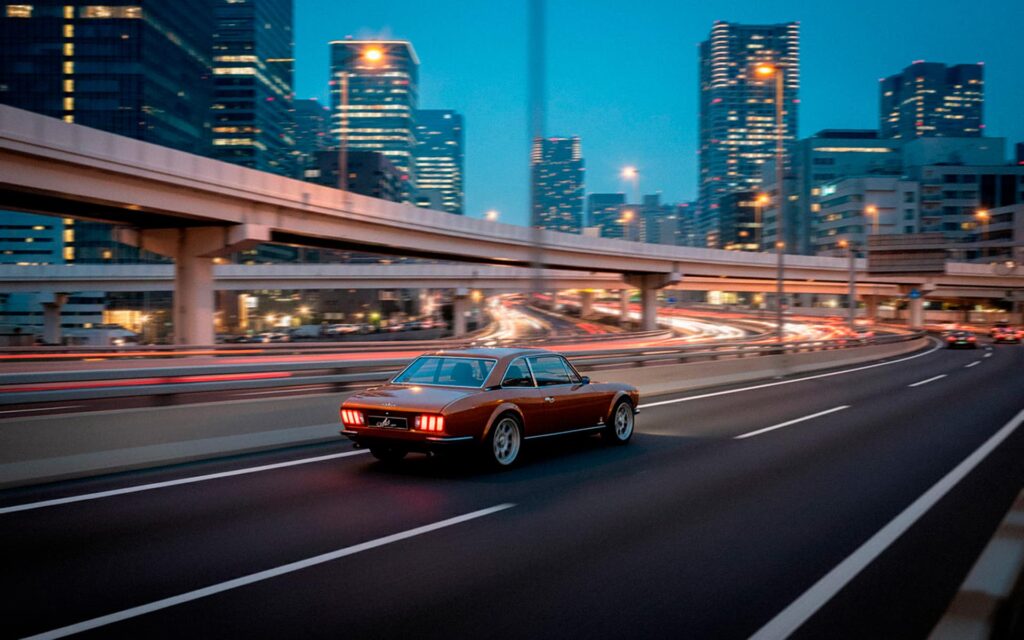
At Allure Provence, the restomod approach is neither superficial aesthetics nor simple technical modernization. It is built on three pillars:
- Respect for the design and identity
The visual architecture and the soul of the model are preserved. The goal is not to radically transform, but to elevate. - Mechanical coherence
Every modification is conceived as part of a whole: engine–chassis balance, braking optimization, electrical reliability, and a well‑balanced driving experience. A successful restomod is not just a more powerful engine — it must remain harmonious. - Vehicle longevity
The objective is not only to modernize, but to ensure the durability of the base car, ease of maintenance, and the ability to be driven regularly.
This vision makes it possible to save 504s that would otherwise remain immobilized at best — or destroyed at worst — due to an unsustainable economic equation.
Use, transmission, and heritage responsibility
A classic car that is driven continues to exist, to spark emotion, to be passed on, and to inspire.
A car left immobilized eventually disappears.
When carried out with rigor and discernment — as Allure Provence strives to do — restomod becomes a tool for the active preservation of automotive heritage. It does not oppose traditional restoration.
It complements it.
Conclusion: evolving to last
The debate between purists and modernists will remain alive — and it should. But the shift observed at Rétromobile highlights one thing:
- Automotive heritage is entering a new phase — one where restoration coexists with modernization.
- Restomod is not heresy when carried out with true expertise.
- It can even be a form of responsibility.
At Allure Provence, every project is guided by this philosophy:
preserve identity, enhance usability, ensure longevity. Because a car should not only be preserved — it should continue to live.