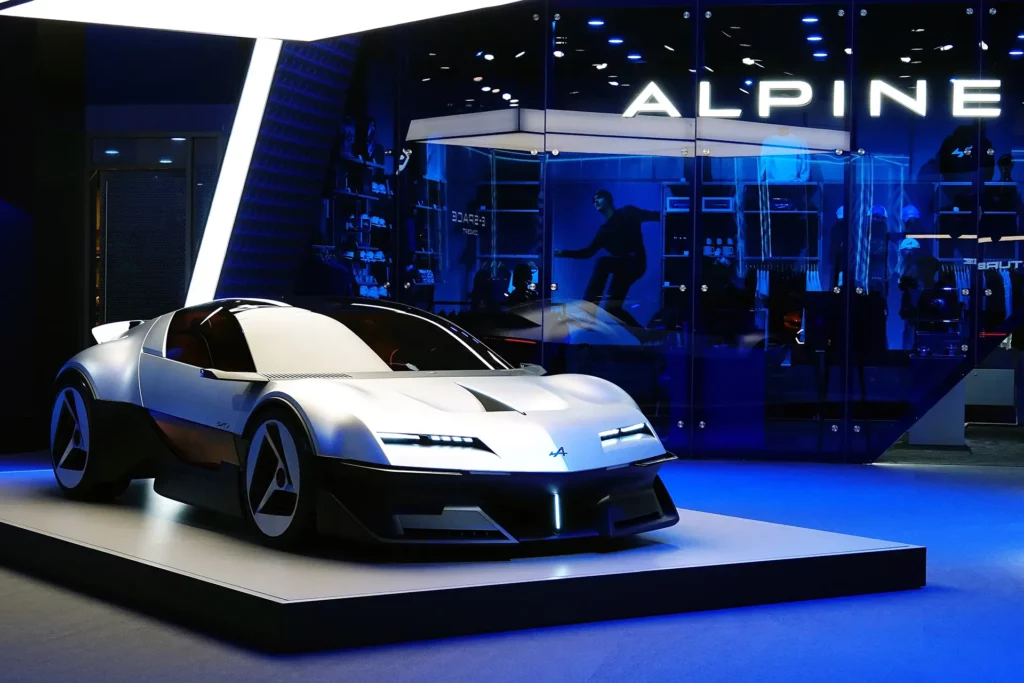
From automotive heritage to today’s neo-retro movement, French design seems to be reconnecting with its history. Beyond nostalgia, one question remains: how can this legacy be kept alive without simply reproducing the past?
A single glance at a car is often enough to tell which era it belongs to, which culture it comes from, and what vision of movement and elegance it embodies.
There was a time when French automotive design cultivated this distinctive character. Bold silhouettes, instantly recognisable proportions and sometimes unexpected solutions. A genuine creative freedom that gave rise to cars unlike anything else on the global market.
The arrival of electric vehicles and the profound technological transformation that followed have reshuffled the deck, seemingly breathing new life into a design culture that had been lying dormant. The latest Paris Motor Show is a perfect illustration of this shift: several manufacturers have shaped their stylistic future by drawing inspiration from the models and design cues that historically built their identity.
Is this simply a return to their roots, a passing retro trend? Or is it, rather, a desire to rediscover something that has been missing for several years: the automobile as an expression of genuine identity?
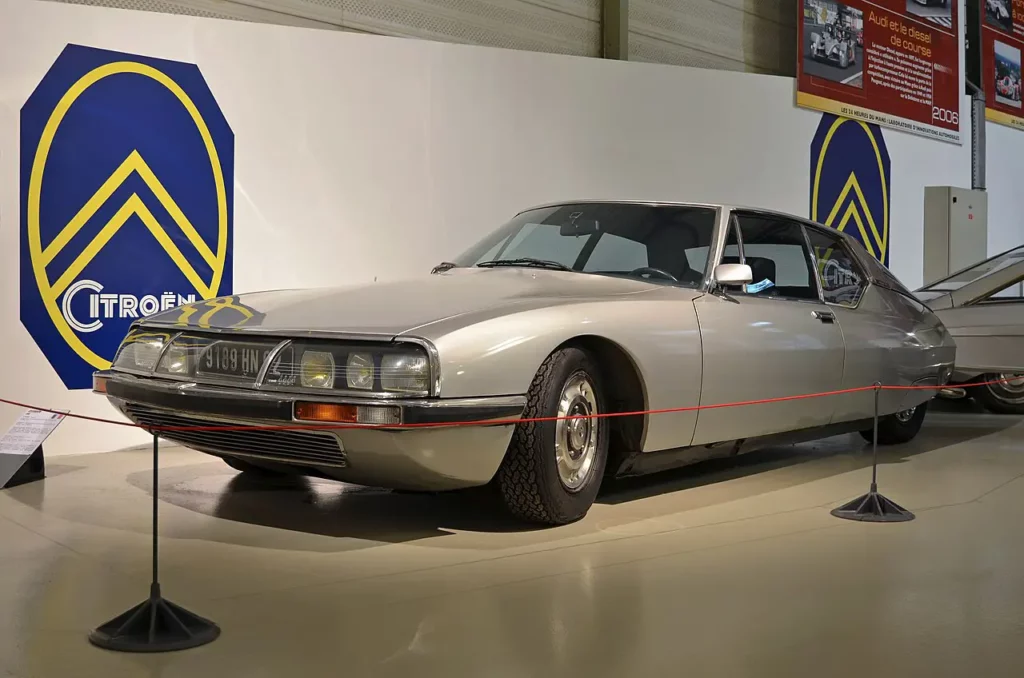
© Selbymay, CC BY-SA 3.0, via Wikimedia Commons
The Return of Heritage in Automotive Design
The 2026 Paris Motor Show, held in Paris from 12 to 18 October, provided an opportunity to highlight this growing trend.
France’s three historic car manufacturers, Peugeot, Citroën and Renault, unveiled several models drawing inspiration from their rich heritage. Citroën presented a contemporary interpretation of the 2CV, while Peugeot introduced the E-T16 concept, echoing the legendary 205 T16 sports car. Renault, meanwhile, sought to breathe new life into a struggling segment — the MPV — by reinterpreting the original Espace through its E-Space concept. And these were just a few of the many proposals on display.
Each approach is different, yet they all share a common foundation: our collective memory, our history and a design language that has left its mark on generations.
This phenomenon extends far beyond France’s borders. In a market where technologies, shared platforms and industrial constraints increasingly tend to standardise vehicle production, manufacturers are gradually rediscovering the value of their heritage as a source of inspiration. Stylistic identity is becoming an essential point of differentiation.
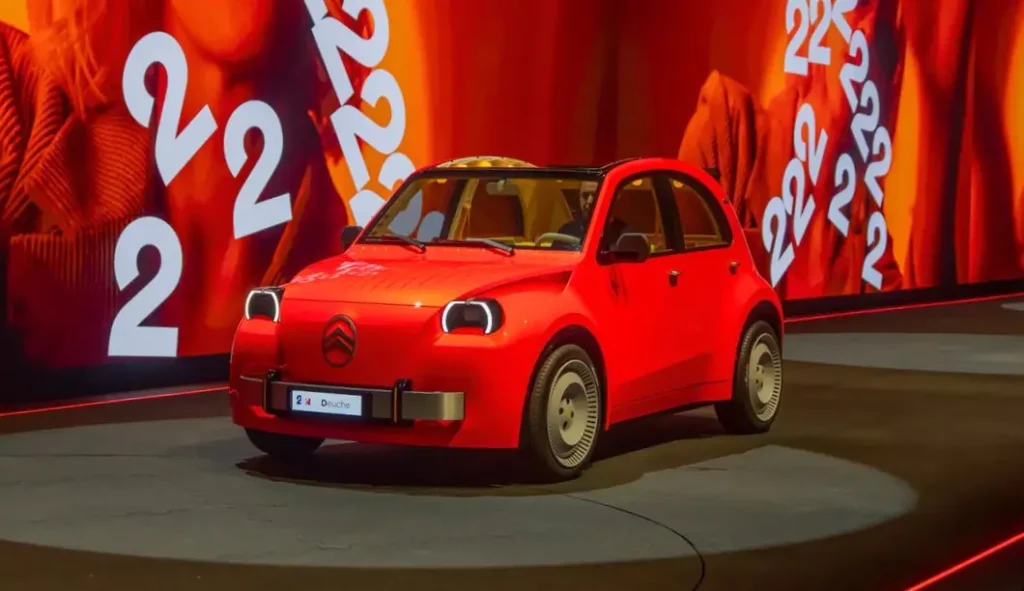
© 2cv2026, CC BY-SA 4.0, via Wikimedia Commons
A car can be technically accomplished, high-performing and perfectly suited to the demands of its time, yet that alone is not enough to make it an icon. Its styling, its design, the character it conveys and the emotions it evokes are what allow it to transcend generations. And this is precisely what automotive brands are rediscovering.
French Elegance: A Story of Proportions and Character
French automotive design cannot be summed up by a single style. It has evolved through collaborations, artistic movements and the work of great design figures who have profoundly shaped both our cultural heritage and the history of the automobile.
From Flaminio Bertoni to Robert Opron, alongside other great names in European coachbuilding, designers have explored a wide range of creative directions. One only has to look at the stylistic diversity between the Citroën SM, the Alpine A110 and the Renault 5, to name just a few examples.
Some cars made their mark on their era through sheer boldness, others through simplicity or their ability to offer a fresh interpretation of elegance. The Peugeot 504 Coupé belongs to this latter family, while still retaining a personality and distinctive style of its own.
Unveiled at the 1969 Geneva Motor Show, it was designed by Pininfarina. Their work helped shape a particular vision of the European grand touring coupé. Its design stands out for its remarkably modern, well-balanced proportions, flowing roofline and understated silhouette. There is no need for embellishment to make it instantly recognisable; its identity lies in the harmony and fluidity of its forms.
Perhaps this is one of the greatest qualities of automotive design: the ability to create a shape that feels self-evident, almost natural, and that retains its power of attraction despite the passage of time.
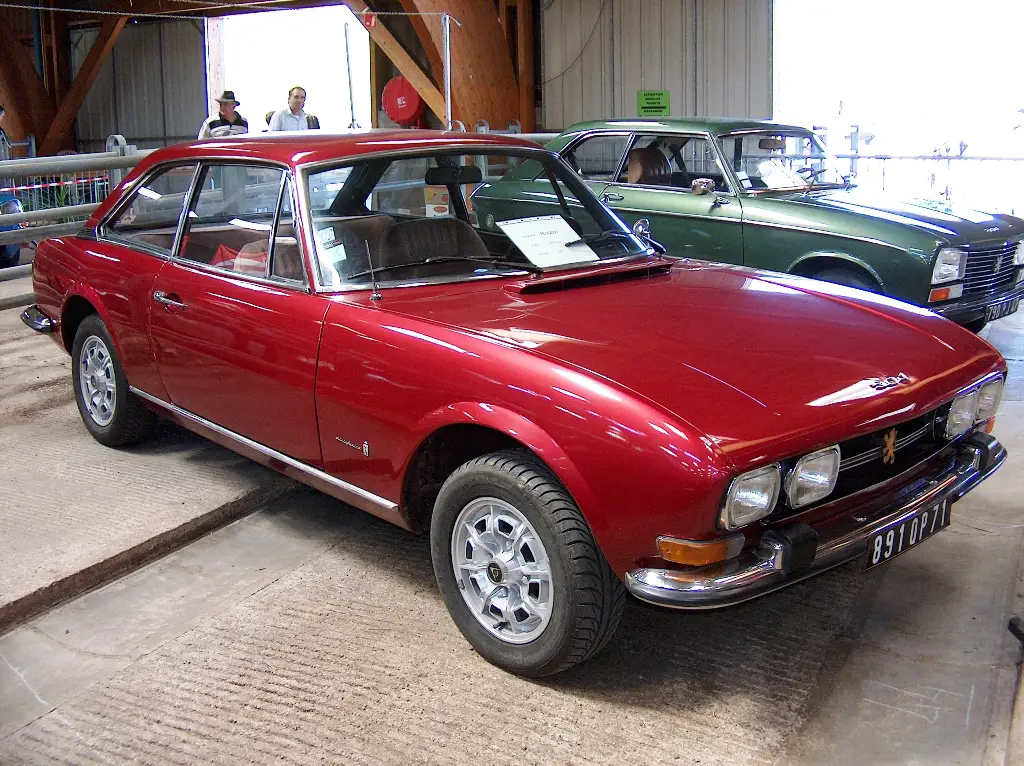
© Jano2106, CC BY-SA 2.0, via Wikimedia Commons
Preserving the Spirit Rather Than Reproducing the Form
Reinterpreting an iconic, historic car is a delicate exercise. It is easy to borrow a few defining features, such as a distinctive lighting signature, a grille, wheels or certain bodywork details. The result may be appealing, but that alone is not enough to establish genuine stylistic continuity.
To successfully reinterpret a car, one must look beyond its surface and understand what made the original model so distinctive. Of course, this means studying its proportions, architecture and visual balance. But it also means understanding the era in which it was created and the intentions that guided its design. The goal is not to freeze a car in the past, but to identify what lies at the heart of its identity and distinguish it from the technical and aesthetic constraints of its time.
Some elements may then need to evolve, others to be simplified, and certain components perhaps completely redesigned. This is where the challenge lies: finding the right balance between offering a contemporary interpretation and preserving what made the original so desirable and recognisable.
That is the difference between recreating a classic car and carrying its legacy forward.
The 504 Coupé: A Timeless Expression of Automotive Elegance
The 504 Coupé possesses a rare quality: it remains instantly recognisable without relying on spectacular styling effects. Its proportions, silhouette and grand touring character give it a presence that extends far beyond its era. This is largely thanks to its unique origins: the meeting of a French platform, an Italian design signature and a grand touring philosophy.
Today’s cars, increasingly centred around technology, screens and electronic driver assistance systems, seem to have forgotten the fundamental relationship between people and the automobile — a relationship that the 504 Coupé still embodies. One built on sensations, mechanical connection, driving and the pleasure that comes with it.
This does not mean rejecting technological progress. Rather, it means knowing how to integrate it without sacrificing the driving experience.
How can this be achieved without taking away a car’s personality? How can its strengths and styling be preserved while improving its performance, safety and reliability?
These questions open up a particularly exciting field of creative possibilities.
Restomod: A New Way of Keeping Automotive Heritage Alive
This is precisely where restomod finds its place. It offers a different approach to classic cars: preserving their identity while rethinking what can be improved in light of today’s technologies and knowledge.
Design plays an essential role in this process. It is not simply a matter of adding modern elements to a classic body. Every evolution must contribute to a coherent whole. The volumes, materials, details and equipment must work in harmony with the original design. And this consistency goes far beyond appearance alone.
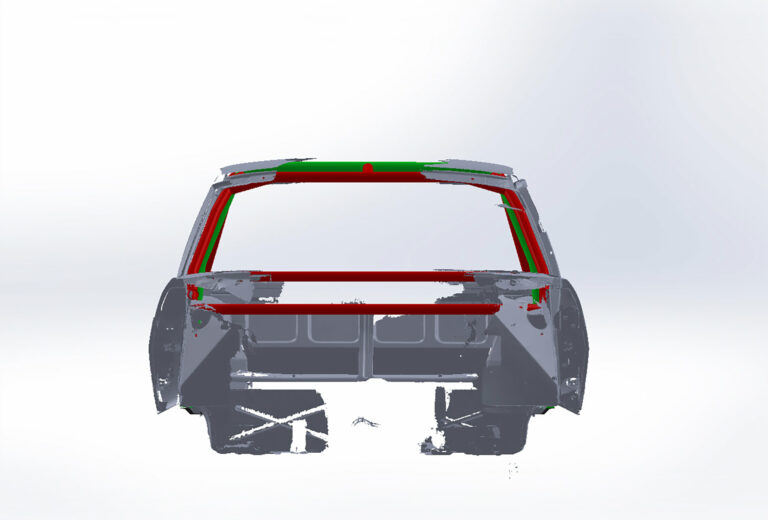
Engineering, structural integrity, suspension, braking, powertrain and ergonomics all contribute to the overall experience. A car cannot be viewed as merely an aesthetic shell: its architecture and driving dynamics are an integral part of its identity.
Restomod thus becomes an exercise in bringing heritage and innovation together. It makes it possible to preserve what makes a model unique, while giving it the means to meet the expectations of a new generation of enthusiasts.
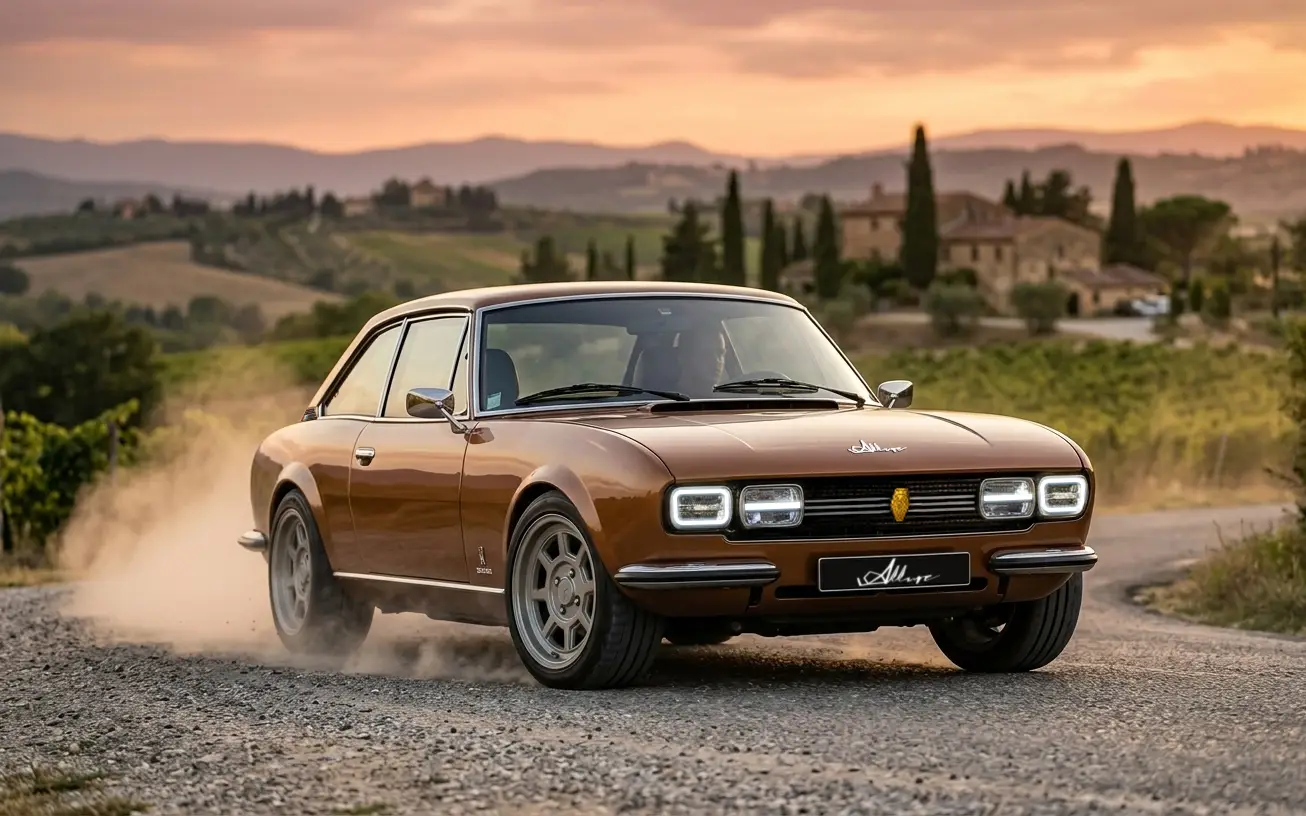
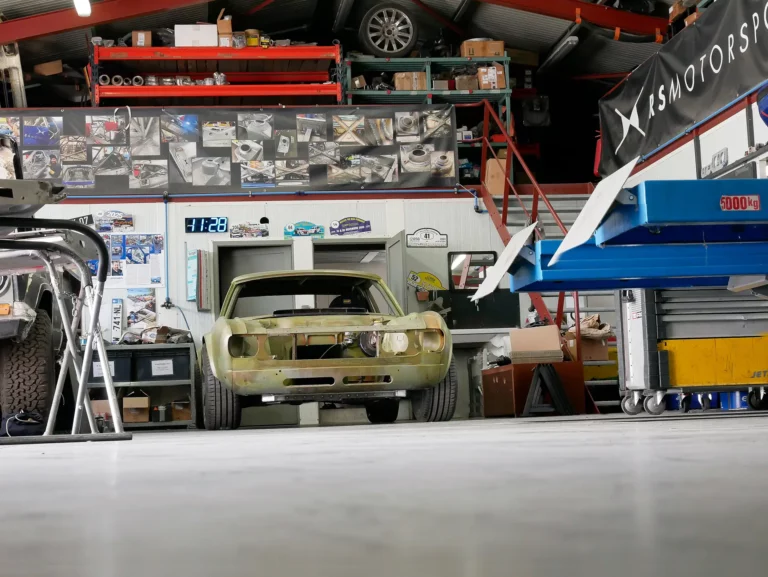
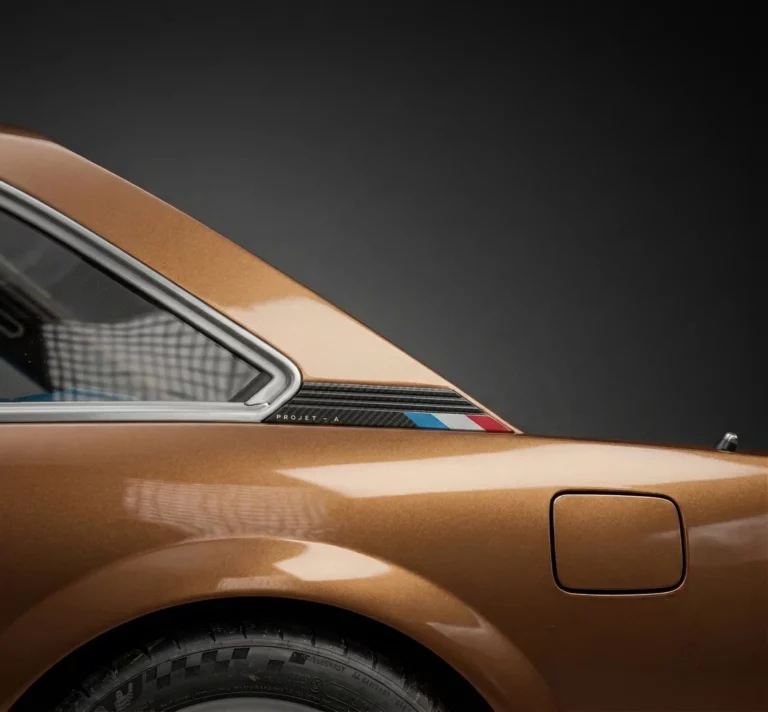
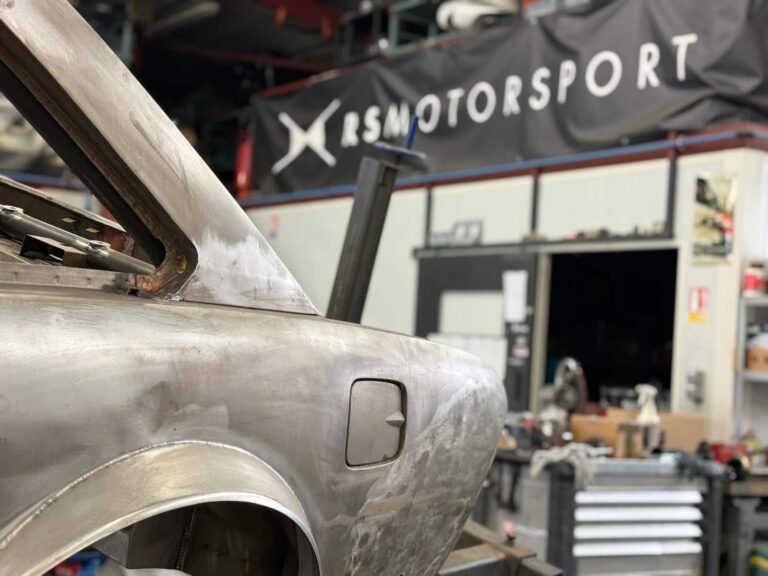
This philosophy guides Allure Provence’s Projet-A 504. The intention is not to transform the 504 Coupé into a radically different car, nor to impose the styling cues of a contemporary sports car upon it. Rather, it is about understanding what makes it special and carrying that identity forward.
The original silhouette, its proportions and its elegance form the foundation of the project. Around this, every element is rethought through a contemporary approach: component design, material selection, chassis development, technology integration and the pursuit of a balance between performance, safety and driving pleasure.
This approach requires a return to the fundamentals of automotive craftsmanship: observing, understanding, designing, testing and refining. Design can never be separated from engineering. Every component must find its place within an architecture, fulfil a function and integrate naturally into the whole. Technology should enhance the experience, never become an end in itself.
Our ambition is to offer a new interpretation of the 504 Coupé that respects its heritage while opening up new possibilities.
A car that does not seek to look old, nor hide its history behind a futuristic appearance.
A car that fully embraces both.
The renewed interest in automotive heritage within contemporary design ultimately raises a question that goes far beyond car manufacturers.
What do we want to preserve from our automotive culture?
The cars that stand the test of time are not necessarily the most powerful or the most sophisticated. The 2CV is perhaps the finest example. Rather, they are the ones that have managed to express a vision, a personality and a particular spirit of their time.
This heritage, this legacy, must therefore continue to exist beyond a past we might consider gone. It should remain a source of inspiration, a starting point for new creations. Reinterpreting, drawing upon this richness and embracing a model’s history and heritage — as Porsche has so successfully demonstrated with the 911 — allows the automobile to transcend generations and remain relevant in a changing world, while preserving its soul and continuing to achieve what matters most: evoking emotion.
Reimagine | Improve | Respect.
Our guiding philosophy takes on its full meaning here. And this is only the beginning. Which car will follow the 504?…
Photo de l’Alpine A 310 : © Y.Leclercq, CC BY-SA 4.0, via Wikimedia Commons