WHAT’S THE DIFFERENCE BETWEEN RESTOMOD AND RETROFIT?
Restomod and retrofit are two distinct approaches to restoring classic or collector cars. The term restomod is a blend of “restoration” and “modification.” This approach involves restoring a classic car while integrating modern technologies and upgrades, such as more powerful engines, advanced braking systems, and contemporary comfort features. The goal is to preserve the vehicle’s original charm and its old-school, analog driving feel, while making it more reliable and enjoyable for everyday use.
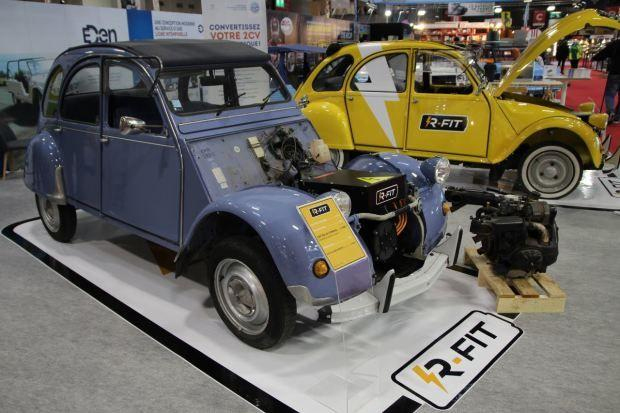
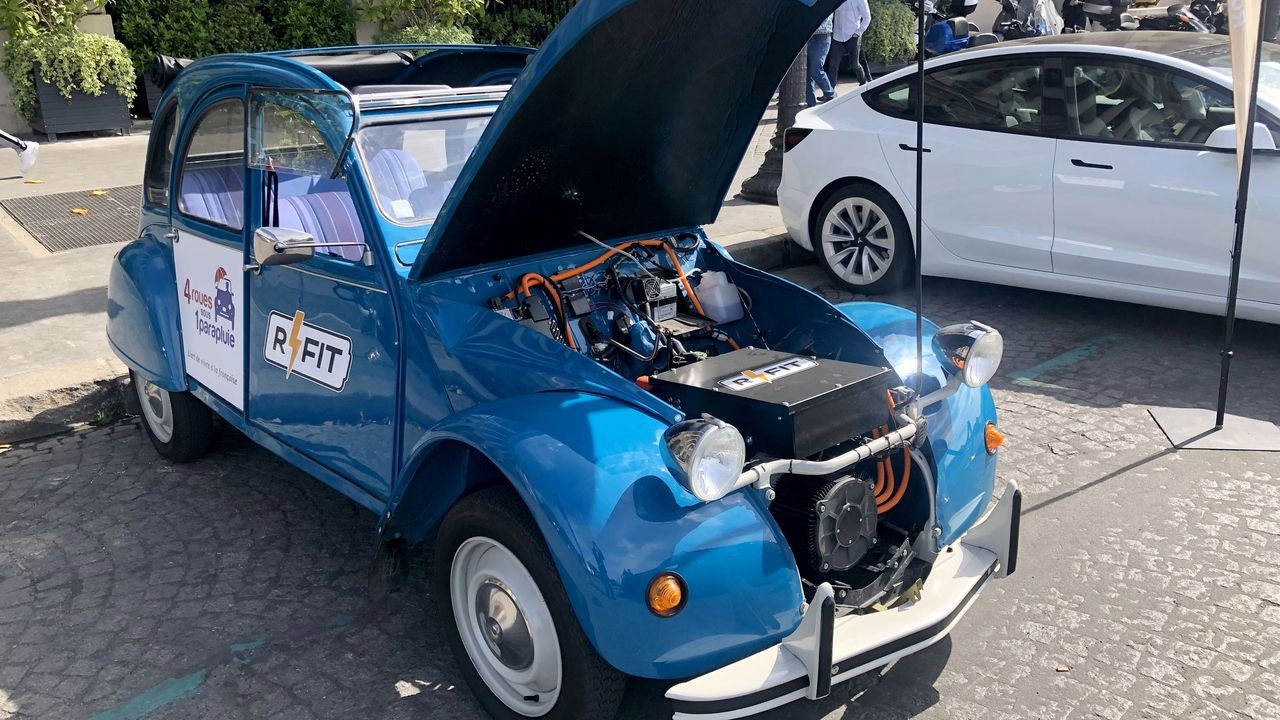
By contrast, retrofit primarily focuses on upgrading a vehicle’s technical components to meet modern standards and requirements, particularly in terms of safety and environmental impact. For example, retrofit may involve installing electric powertrains or adding modern safety features without altering the car’s exterior appearance. Companies like Rfit, for instance, are part of this movement, working on models such as the Diane, 2CV, and 4L.
The key philosophical difference between the two lies in the balance between historical authenticity and modern enhancement. While restomod aims to create a harmonious blend of old and new for an enhanced driving experience without losing character, retrofit prioritizes compliance with current standards without compromising the vehicle’s visual and historical integrity.
Is restomod a common and appreciated practice?
Restomod is a practice that is increasingly popular among classic car enthusiasts. Vintage car lovers appreciate this approach because it preserves the vehicle’s original aesthetics and charm. Restomod is also attracting a new generation of enthusiasts. This practice is widespread and well received within the automotive community, as it offers a unique driving experience that combines the best of both worlds: the timeless appeal of classic cars and the benefits of modern innovations. Forums and automotive events show that interest in restomod continues to grow, reinforcing its place in car culture. This is especially true in Europe, as in the United States, it has always been part of the scene.

Although popular, restomod is not without its critics. Some classic and collector car purists believe that this practice compromises the historical authenticity of vehicles. They argue that it alters the original character and heritage value of vintage cars. Moreover, the high costs associated with restomods can make these projects inaccessible to many enthusiasts, thereby limiting their appeal. Finally, some fear that the focus on modern performance may overshadow the aesthetic and nostalgic qualities that give classic cars their unique charm.

And what about France?
Restomod is gaining traction in France, although only a handful of companies have ventured into this field so far. Notable examples include:
- Machine Revival, based in Capbreton, is one of the sector’s leading names. Their projects mainly focus on Porsche, BMW, and American muscle cars. The company stands out for its artisanal approach and high-quality finishes, allowing owners to enjoy vehicles that are both high-performing and elegant.
- Nardone Automotive, located in Aix-en-Provence, has made a name for itself with its 400 hp reimagined Porsche 928. Founder Thierry Nardone spent three years working with prestigious partners to transform the car into a modern masterpiece while preserving its original charm. The result is a powerful and refined vehicle, perfectly suited to contemporary expectations.
- Burn-Out Club is another French company specializing in restomod and backdating. Its reputation is built on fidelity to the original models and the quality of its craftsmanship. Classic car enthusiasts can rely on their expertise to obtain vehicles that blend tradition with innovation.
The restomod scene in France remains relatively small compared to the United States—or even closer to home, Italy. However, it is gradually growing and gaining increasing recognition on the international stage.
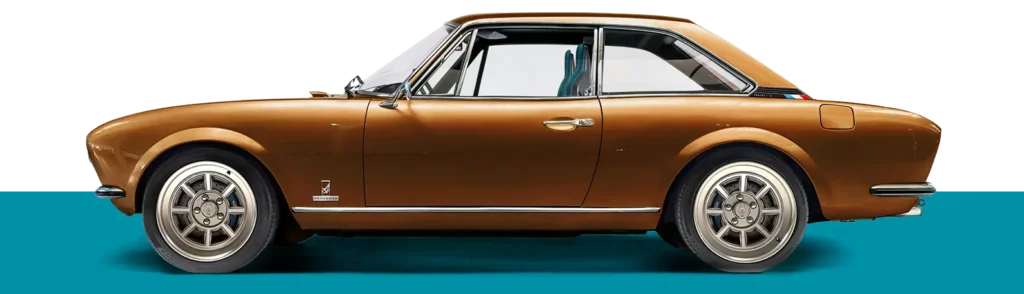
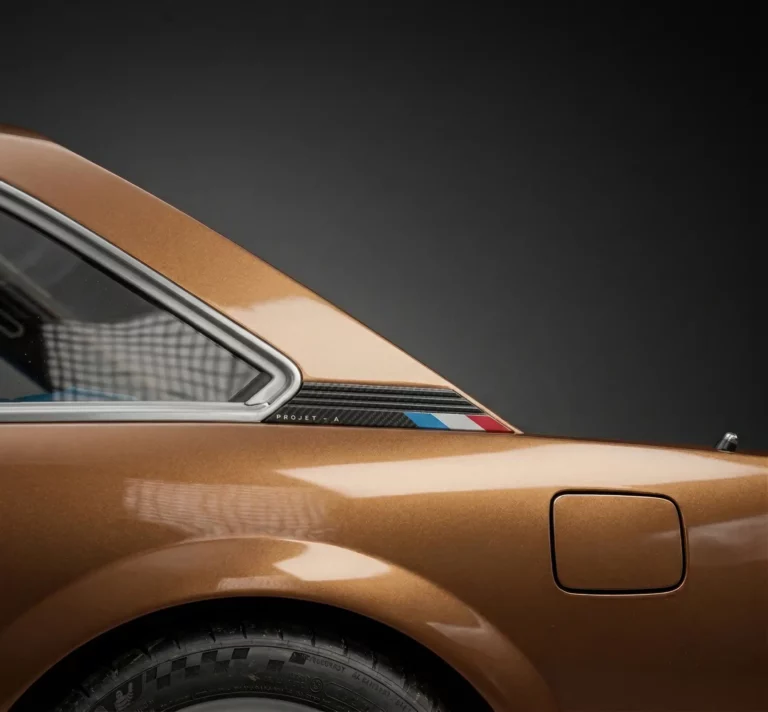
It is in this spirit that we, too, have embarked on our own journey, with our project to restomod the 504 Coupé, helping to raise awareness of this movement in France and showcase French expertise—both past and present.
More news...

PROJECT-A 504: A COLLABORATIVE RESTOMOD PROJECT.
Restomod demands a high level of expertise, across multiple disciplines. Achieving this level of precision requires more than technical knowledge alone. It calls for collaboration with trusted specialists…

Restomod: a new way to preserve automotive heritage
Rétromobile, which wrapped up this year, is a beautiful reflection of automotive passion, its key

Progress update on the 504 restomod: our roadmap to 2026.
Our journey, which began in 2025, continues into 2026 as we push even further in